


Tattoo Pain by Location: Least & Most Painful Spots Ranked
- eliteinformationte
- May 6
- 3 min read
Updated: Jul 15

Getting a tattoo changes something in you. The excitement is real, but so is the first question almost everyone asks: where will it hurt? At Aminn Tattoo, a trusted North Vancouver tattoo studio, this comes up in nearly every consultation. First-timers, returning clients, all of them want to know.
Here is what the body actually tells us, broken down honestly.
Why Does Tattoo Pain Vary by Location?
Your body is not built the same everywhere. Some spots have paper-thin skin sitting right on top of bone. Others have layers of muscle and fat doing most of the work.
Key factors affecting tattoo pain:
• Skin thickness in that area
• Proximity to bone
• Nerve concentration
• Amount of natural padding (fat/muscle)
Most Painful Tattoo Spots
These areas hurt. There is no softer way to put it.
Ribcage
Thin skin, hard bone, and your lungs moving underneath with every breath. Among the most intense spots for fine line tattoo work. Breathe slow.
Spine and Sternum
Central nerve pathways sit right here. Pain radiates outward. Most artists recommend this only after you have a few sessions under your belt.
Inner Elbow and Back of Knee
Folded skin, packed with nerves. Sharp and persistent throughout the whole session. Not a quick win.
Hands, Fingers, and Feet
Almost no fat here. Bone is immediate. Fine detail tattoos in these spots demand real patience from both artist and client.
Head and Neck
The vibration moves straight through bone. That buzzing alone rattles most people before the needle even settles in.
Least Painful Tattoo Spots
Worth knowing. These spots are genuinely manageable.
Outer Thigh
Dense muscle, fewer nerve endings. One of the most comfortable placements for custom tattoo work or anything larger.
Upper Arm and Shoulder
Tried, tested, beginner-approved. Good skin quality, enough padding, and sessions stay tolerable even when they run long.
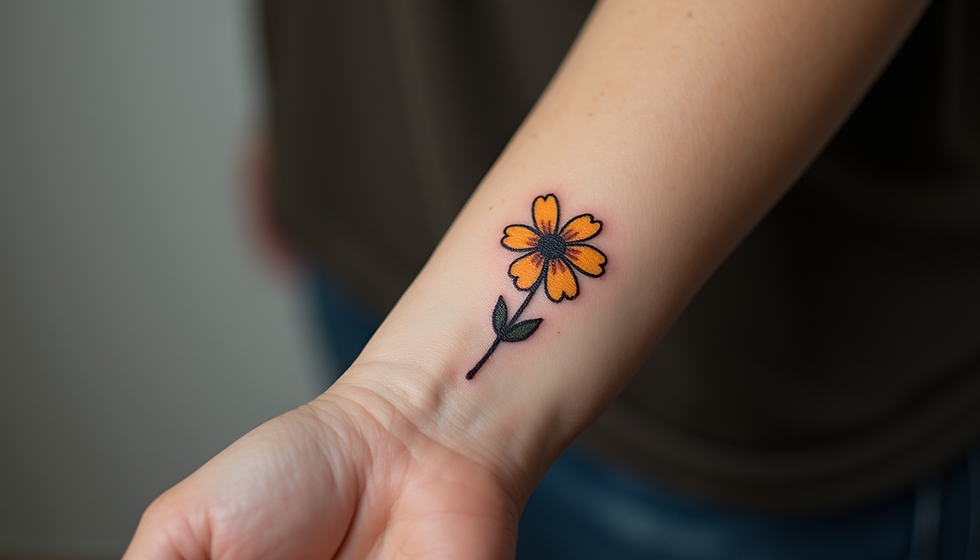
Forearm (Outer)
Popular at studios doing geometric tattoos and black and grey tattoos. Low discomfort, great visibility for detailed work.
Calves
Clients are often surprised. Muscle-heavy, relatively nerve-light. Calf sessions tend to run smoother than expected.
Upper Back
Wide, flat, forgiving. Ideal for multi-element compositions and longer sittings without constant breaks.
How to Minimize Tattoo Pain
• Eat a full meal before your session
• Drink plenty of water the day before
• Skip alcohol for at least 24 hours
• Wear loose clothing over the area
• Take short breaks when needed
• Follow your artist's lead on pacing
Aminn Tattoo artists bring over 8 years of hands-on experience and 2,000+ completed tattoos to every session, working with your comfort, not against it.
Conclusion
Pain fades. The tattoo stays. Knowing which spots hit harder helps you walk in ready, not rattled. Whether the plan is a delicate fine line tattoo or a bold micro-realism piece, placement is part of the decision, not an afterthought.
Aminn Tattoo in North Vancouver has guided hundreds of clients through exactly this, backed by 200+ five-star reviews. Prep properly, pick smart, and trust the process.
FAQs
Does placement affect tattoo quality?
Yes, skin type and location directly influence how well ink settles.
Which spot heals fastest after tattooing?
Outer arm and thigh areas generally heal quicker than joints or hands.
Can numbing cream reduce tattoo pain significantly?
It helps, but effectiveness varies depending on area and skin type.
Is rib tattooing really that painful?
Yes, most clients rate it among the most uncomfortable placements overall.
Does pain get easier with multiple tattoos?
Many people develop better tolerance and mental preparation over repeated sessions.


Comments