


Tattoo Needle Size: Does It Matter for Fine Line Tattoos?
Updated: Jul 24
Walking straight into a studio for a tiny, delicate piece of body art highlights a pretty huge technical choice. The crisp, lasting beauty of a delicate design depends completely on the actual tools working away under your skin's surface.
At Aminn Tattoo, we know firsthand that picking the correct tattoo needle size directly dictates whether your art stays beautifully clean or blurs right out as the years roll by.
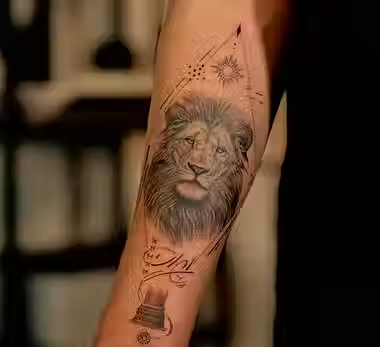
The Technical Mechanics of Fine Linework
Why Needle Diameter Changes Everything
Tattoo needles are not just single, basic metal pins like you might think. They are actually tight clusters of tiny soldered needles, and their thickness changes how ink sits in your skin.
Single Needles (1RL): These offer the absolute thinnest line humanly possible for micro-scale art. They require an incredibly stable hand to prevent shaky lines.
Tight Round Liners (3RL or 5RL): These configurations bundle three to five microscopic tips right together. They give the artist extra stability while keeping the lines looking super dainty.
Bugpins: These ultra-thin needles allow for incredibly smooth shading and highly detailed texturing without accidentally chewing up your skin surface.
The Physics of Ink Flow
Thinner needles hold way less pigment, which means the person holding the machine has to move with total, deliberate accuracy. If the chosen needle size runs too large for the concept, the delicate patterns fill in way too quickly, ruining all that open space.
Our creative crew at Aminn Tattoo carefully matches up the hardware to your custom design specs during the initial prep phase.
Critical Factors Affecting the Finished Look
Skin Depth and Thickness
Different areas of human skin accept fresh pigment in unique ways.
Thin Skin Areas: Spots like your wrists or ribs need smaller needle groupings to prevent deep ink blowouts.
Thick Skin Areas: Forearms or outer thighs make for a slightly larger setup and still a delicate look.
Your Game Plan for Best Results
How to Keep Your Lines Sharp
Getting a flawless look requires mixing smart planning with an experienced technical hand.
Check Real Portfolios: Look closely at healed photos to see how those thin lines actually held up over time.
Leave Plenty of Space: Make sure there is enough open room between details so they do not merge later on.
Follow the Rules: Absolutely avoid picking at the tiny scabs to keep the thin lines fully intact.
Conclusion: Precision Tools Create Lasting Art
Every single shift in tool selection completely changes the final look on your skin. Investing your time in a fine line tattoo requires a professional who understands tool mechanics inside and out.
When you are ready for a precise masterpiece, the seasoned team at Aminn Tattoo uses the exact setups needed to make your vision happen safely.
Frequently Asked Questions
Does a smaller tattoo needle size hurt more during the session?
Single needles can feel a bit more piercing or sharp because the pressure concentrates on a tiny focal point.
Can you use shading needles for delicate linework?
Shading setups spread the ink out way too much making them totally incorrect for sharp borders.
Why do some fine lines look blurry right after healing?
This happens if the ink goes a fraction too deep, causing it to spread sideways under the skin layers.
How do I know what needle size my artist is using?
You can simply ask your artist to show you the sterile packaging before they open it up.
Do thin needles carry less ink to the skin?
Yes, smaller groupings hold a smaller amount of pigment, requiring a slower and more controlled hand speed. Read More :
Comments